

How to Maintain Your Bike in Winter: 7 Tips Every Rider Should Know
 Published at November 8, 2026By Mayank Puri
 Prefer Us on
Google News
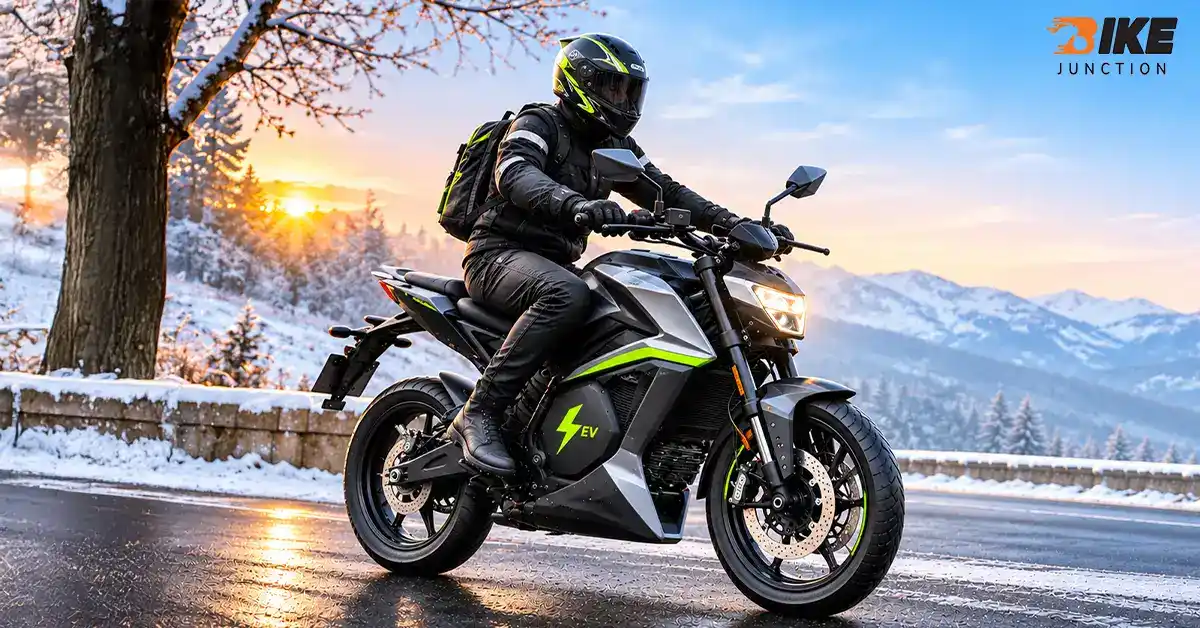
Winter brings cooler mornings, foggy roads, and changes in riding conditions. These weather conditions can affect several motorcycle components, including the battery, tyres, engine oil, and brakes.
A little extra care can help keep your motorcycle in good condition throughout the colder months. Riders should pay attention to regular servicing, tyre pressure, chain lubrication and proper parking. These checks can also help avoid unexpected problems during winter rides.
Whether you use your motorcycle for daily travel or weekend trips, following a few simple maintenance steps can make a difference. Here are seven important bike maintenance tips for winter that every rider should know.
What Precautions Should You Take Before Winter Rides?
1. Check Your Bike's Battery Regularly
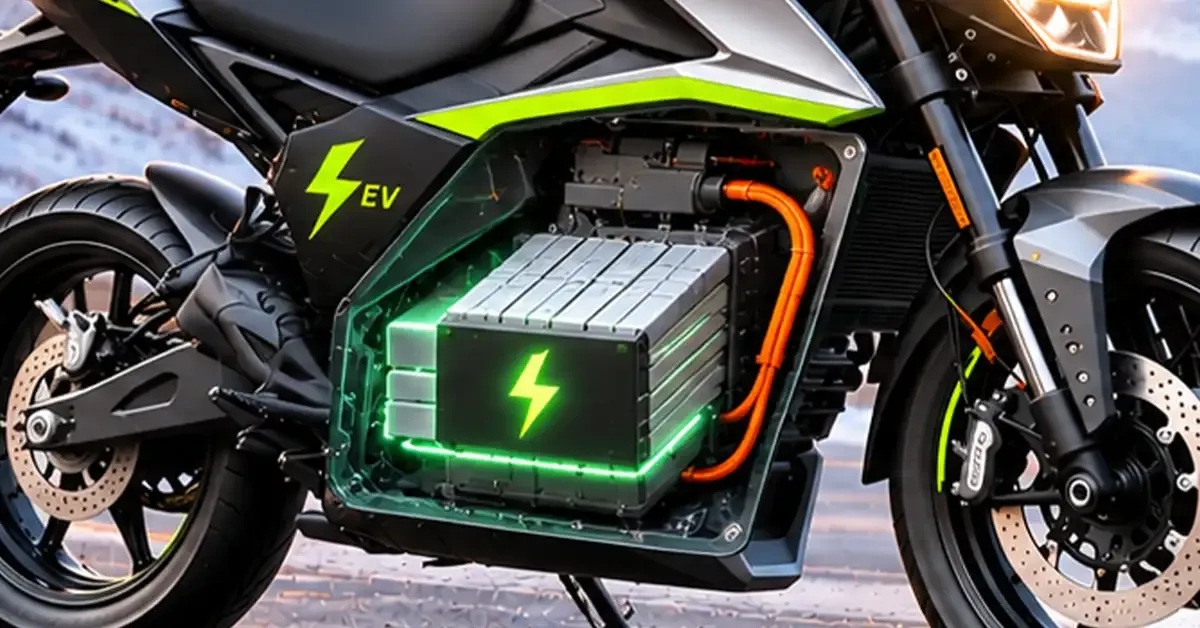
Cold temperatures can make it harder for a motorcycle battery to deliver enough power during engine starting. This can lead to slow cranking or starting difficulties, especially if the battery is already old.
Check the battery terminals for corrosion and make sure all connections are secure. If your motorcycle has been parked for several days, check its battery condition before starting a ride. You should also get an ageing battery tested at a service centre.
For motorcycles that remain unused during winter, a compatible battery maintainer can help preserve the charge.
2. Maintain the Correct Tyre Pressure
Tyre pressure can drop as temperatures fall. Riding with underinflated tyres can affect handling, braking and tyre wear. Therefore, checking tyre pressure should be part of your regular winter bike maintenance routine.
Check the pressure when the tyres are cold and follow the figures recommended by your motorcycle manufacturer. You can find these details in the owner's manual or on the vehicle's tyre pressure sticker.
Also, inspect the tyres for cracks, cuts, and worn out tread. Good tyre condition is particularly important when riding on cold, damp, or foggy roads.
3. Keep the Chain Clean and Lubricated
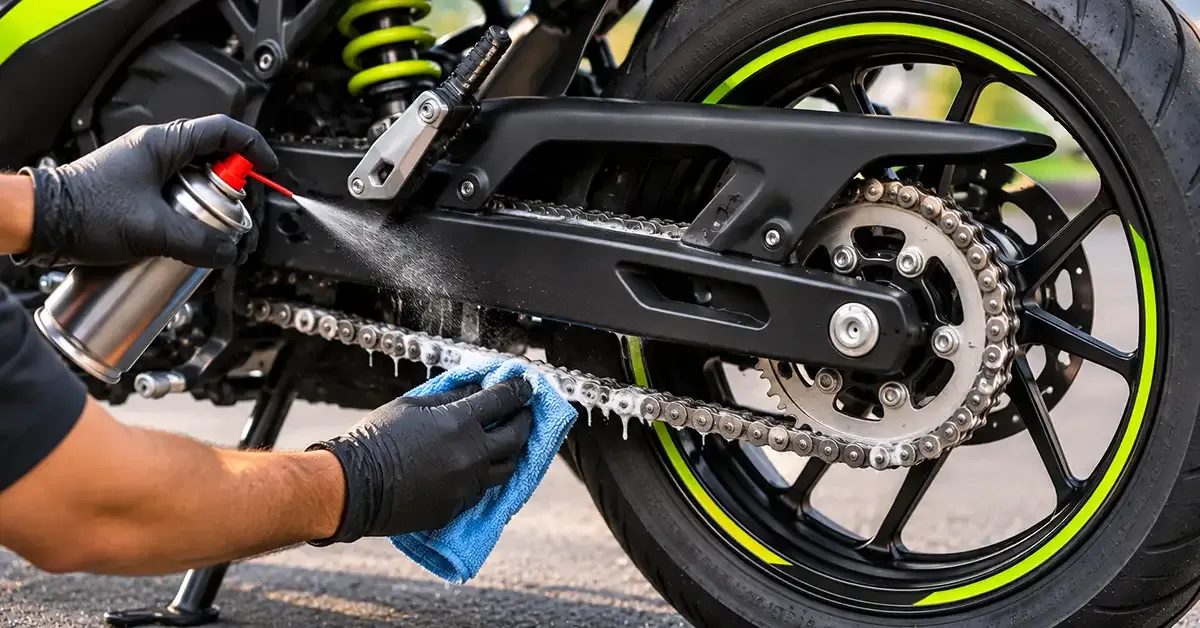
A motorcycle chain needs regular cleaning and lubrication to operate smoothly. During winter, moisture, mud, and road dirt can collect around the chain and increase the chances of corrosion.
Clean the chain using a motorcycle approved chain cleaner. Once it is dry, apply suitable chain lubricant evenly across the links. Also, check the chain slack and adjust it according to the manufacturer's instructions.
Avoid using excessive lubricant because it can attract dust and dirt. Regular chain care helps maintain smooth power delivery and reduces unnecessary wear.
4. Check Engine Oil and Coolant Levels
Engine oil plays an important role in reducing friction and protecting internal engine components. During winter, using the correct oil grade becomes important because colder temperatures can affect oil flow during starting.
Check the engine oil level regularly and follow the viscosity grade recommended by your motorcycle manufacturer. Avoid switching to a different oil grade without checking the owner's manual.
If you own a liquid cooled motorcycle, inspect the coolant level and check for any leaks. Maintaining the correct coolant level helps regulate engine temperature in different weather conditions.
5. Take Care of Your Bike's Braking System
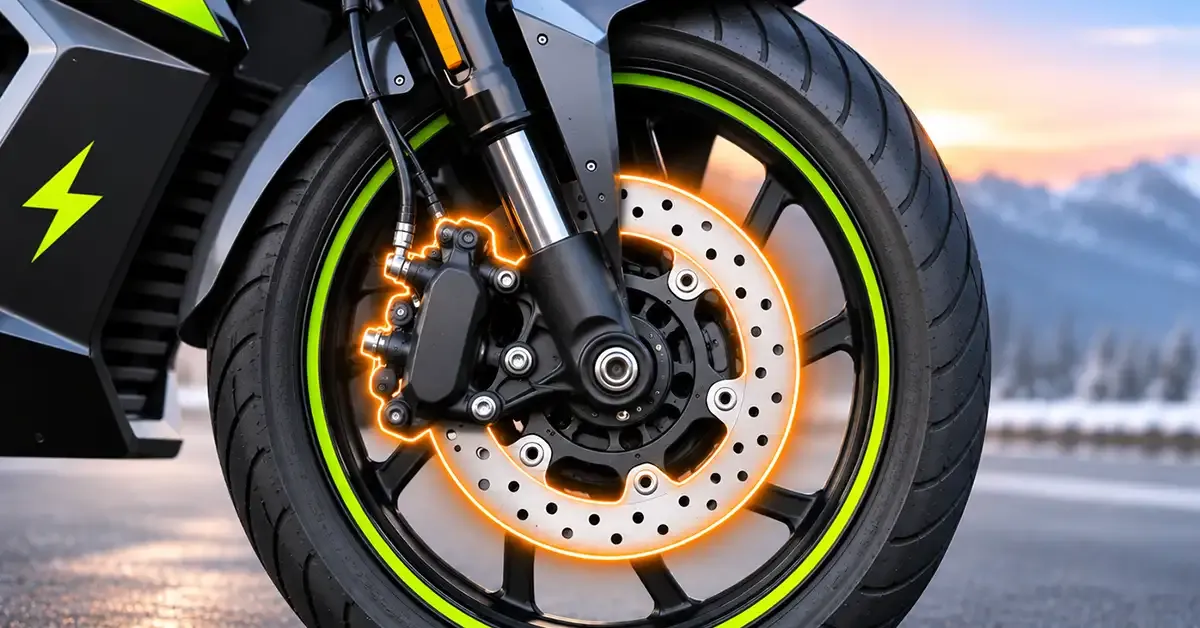
Foggy mornings, damp roads, and reduced visibility can make winter riding more challenging. Your motorcycle's braking system should be in good condition to handle these situations.
Inspect the brake pads for wear and check the brake fluid level. If you notice unusual sounds, vibrations, or reduced braking response, get the system inspected by a mechanic.
Also, avoid sudden braking on wet or slippery surfaces. Apply the brakes smoothly and maintain enough distance from other vehicles. These habits can help you stay in control during winter rides.
6. Clean Your Bike to Prevent Rust
Moisture and dirt can collect on different motorcycle parts during winter. If left unattended, they may lead to rust on exposed metal surfaces, bolts, and other components.
Wash your motorcycle when needed and pay attention to areas where dirt and moisture can collect. Use a soft cloth to dry the bodywork, metal parts, and hard to reach areas after cleaning.
You can also apply a suitable anti rust protective product to exposed metal surfaces. Avoid spraying cleaning products or lubricants directly onto the brakes, tyres, and other friction surfaces.
7. Protect Your Bike from Cold and Moisture
Where you park your motorcycle during winter can also affect its condition. Leaving it exposed to fog, rain, and overnight moisture for long periods can increase the chances of corrosion.
Whenever possible, park your motorcycle in a covered and well ventilated area. If indoor parking is unavailable, use a good quality, breathable motorcycle cover that fits properly.
Make sure the motorcycle is dry before covering it. Avoid using a cover that traps moisture around the bodywork. If you are not riding for several days, check the battery, tyres, and other important components before your next trip.
Conclusion
Winter riding requires a little more attention to motorcycle maintenance. Checking the battery, maintaining tyre pressure, lubricating the chain, and inspecting the brakes can help prevent avoidable problems. Regular cleaning, proper engine warm up, and covered parking also help protect your motorcycle during colder months. Follow these winter bike care tips and stick to your manufacturer's servicing schedule to keep your bike ready for your next ride.
Frequently Asked Questions
Q1. Is it necessary to warm up a bike in winter?
A1. Yes, allow the engine to idle briefly after a cold start, following the manufacturer's instructions. Ride gently for the first few minutes instead of accelerating aggressively.
Q2. Does cold weather affect bike battery performance?
A2. Yes, low temperatures can reduce a battery's ability to deliver starting power. An older or partially discharged battery may experience more starting difficulties during winter.
Q3. How often should I check tyre pressure during winter?
A3. Check tyre pressure at least once a week and before longer rides. Always measure it when the tyres are cold and follow the manufacturer's recommended pressure.
Q4. Which engine oil is best for winter riding?
A4. The best engine oil depends on your motorcycle's engine and manufacturer recommendations. Check the owner's manual for the correct viscosity grade and oil specifications.
Q5. Can cold weather affect motorcycle mileage?
A5. Cold starts, longer warm up periods, and changes in riding conditions can affect fuel consumption. Maintaining correct tyre pressure and following regular servicing schedules can help.
You can also read this: Why Should You Buy the Ampere Magnus Neo This Diwali 2026?


Previous
Next
Top News


Best Bikes

TVS Apache RTR 310
 312.12 CC
 35 KMPL

Yamaha R15 V4
155 CC45 KMPL
Royal Enfield Classic 350
349 CC41.55 KMPL
TVS Raider 125
124.8 CC56.7 KMPL
Royal Enfield Hunter 350
349 CC36.2 KMPL
Hero Splendor Plus
97.2 CC70 KMPL
Latest Models

Hero Xtreme 125R
124.7 CC66 KMPL
BMW F 450 GS
420 CC26 KMPL
Ducati Desmo450 MX Factory
449.6 CCN/A 
Ducati Desmo450 EDX
449.6 CCN/A 
Kawasaki Z650
649 CC19.02 KMPL
KTM 200 Duke
199.5 CC35 KMPLUpcoming Bike Models
 Launching Soon

Benelli TRK 800
754 CC20 KMPLLaunching Soon
TVS Raider 125 Flex Fuel
124.8 CC55 KMPLLaunching Soon
Norton Atlas
585 CC21 KMPLLaunching Soon
MBP Moto C1002V
997 CC17 KMPLLaunching Soon
Brixton Motorcycles Crossfire 500 Storr
486 35 KMPL


A-23, 3rd floor, A Block, Sector 9,Noida, Uttar Pradesh 201301
 support@thebikejunction.com
 +91-9773363849