

Buying a Bike? Here are 7 Expenses to Factor into your Budget
 Published at November 11, 2026By BikeJunction Team
 Prefer Us on
Google News
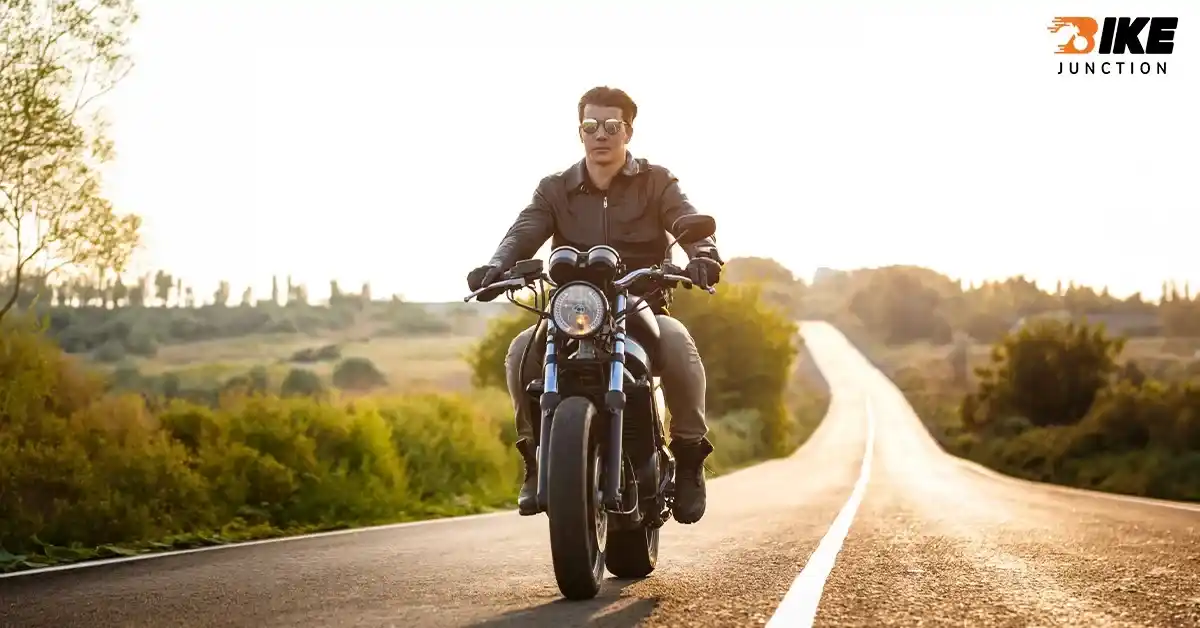
Buying a new bike feels like the big spend is over. But the spending does not stop at the showroom gate. A bike keeps asking for money in different ways for as long as you own it. Some of these costs come every week, like fuel. Some come once or twice a year: insurance and servicing. A few issues come up unexpectedly, such as a broken part, a tyre blowout, or a stolen bike. Riders don't plan for those, and even a small bill can be a real shock.
Knowing those seven expenses up front makes it much easier to set a monthly budget and go about your life without money worries.
1. Fuel Costs: The Expense You’ll Pay Most Frequently
Fuel is the expense a bike owner pays most often, usually every week or even every few days. How much it costs depends on three things: how far the bike is ridden, how many kilometres it gives per litre, and the price of petrol in that city.
A simple way to work it out is to just divide the petrol price by the bike’s mileage. If petrol is at about ₹100 a litre and the bike does 50km per litre, then every km is roughly ₹2. A rider who does 30km a day for 26 days (i.e., 780 km a month) is spending about ₹1,560 on fuel.
Aggressive acceleration, constant braking and low tyre pressure increase fuel consumption and therefore higher monthly running costs. Electric bike and scooter users pay for charging rather than fuel, and this is generally cheaper per km, though it still counts towards your monthly plan.
2. Bike Insurance is a Cost That Protects You from Bigger Expenses
Bike insurance protects riders from much bigger expenses after an accident, theft, or damage. It is also not optional. Under Section 146 of the Motor Vehicles Act, 1988, every vehicle on a public road must have at least third-party insurance, which covers harm caused to other people, their vehicles, or their property. Skipping it can be costly. According to the Ministry of Road Transport and Highways, driving an uninsured vehicle can lead to a fine of ₹2,000 or up to three months in jail for a first offence, and ₹4,000 for a repeat offence.
A bike insurance policy covers accidents, theft, fire, natural disasters, and third-party liabilities, depending on the policy terms and coverage selected. Since most bike owners renew their insurance annually, the premium must be considered as a fixed annual expense. It is also suggested to renew the policy before it lapses to avoid a gap in coverage.
3. Routine Servicing Costs Are Part of Every Ownership Journey
Routine servicing is a regular cost that keeps the engine in good shape, checks parts, and keeps the overall ride smooth. Most new bikes come with 2-3 free services, but after that, every service visit to the service centre is paid.
A general service usually includes:
- an engine oil change
- air filter cleaning
- chain cleaning
- and a check of brakes, lights and cables
According to Ride N Repair, a basic general service in 2026 costs about ₹800 to ₹1,500 at authorised service centres. Luxury bikes with bigger engines and premium brands usually cost a little higher.
The service book that comes with the bike will tell you when each service is due (by kms or by months). Following the service schedule helps maintain performance and may reduce the chance of expensive repairs down the track. You'll also need to keep your PUC certificate valid, as that needs renewing from time to time for a small fee.
4. Tyre Replacement Can Be a Significant Periodic Expense
Tyre replacement is a significant expense that comes up every few years, depending on how much and how the bike has been ridden. Tyres are the only part of the bike that actually touches the road, so worn tyres will have an effect on grip, braking and safety.
Clear signs that a tyre needs replacing are a smooth surface with shallow grooves, cracking on the sides, bulging and frequent punctures. Most tyres have small tread wear indicators, and when the tread has worn down to these marks, it’s time for a new one.
Simple care goes a long way to extending tyre life. TVS Eurogrip states that riding with low tyre pressure can reduce tyre life by as much as 50%. Checking the air pressure every couple of weeks costs nothing and can push your next tyre bill further down the track.
5. Unexpected Repairs & Spare Parts Replacements
Repairs and spare part replacements tend to come as a surprise. Some parts wear out with normal use and need replacing even on a well-kept bike. Common ones include:
Repairs and spare part replacements tend to be a surprise. Some parts will wear out with normal use and will need replacing even on a bike that's been well looked after. Common ones include:
- Chain and sprocket set: it will stretch and eventually become noisy or loose when it needs replacing.
- Brake pads or shoes: they will wear a bit each time the brakes are used.
- Battery: it will lose its strength over time and may simply fail to start the bike.
- Clutch plates and cables: they wear out quicker in heavy city traffic.
- Bulbs, fuses and switches: all of these little bits can fail at any time.
The easiest way to deal with these costs is to keep a small repair fund. Even a small amount of ₹300 to ₹500 a month goes a long way and can easily cover most of the unexpected expenses without affecting the household budget.
While having a repair fund helps with day-to-day maintenance and minor breakdowns, the larger outlay required after an accident may be a harder nut to crack. In such situations, a comprehensive bike insurance policy can help cover repair costs for insured damage to the bike, subject to the policy's terms, conditions and exclusions.
6. Parking and Bike Security Costs Are Often Overlooked
Many new bike owners forget to plan for parking and bike security. In busy cities, paid parking at offices, markets, malls and metro stations can easily add up over the month for a daily rider. Security is another ownership cost one has to factor in, as bike theft remains a major issue in many cities. Delhi Police data (cited by The Patriot) shows that in 2023 the city recorded 40,213 motor vehicle thefts (up from 38,185 in 2022), with two-wheelers being the most commonly stolen category.
Security devices (disc locks, chain locks, GPS trackers, etc.) all have an initial cost. Paid parking in commercial areas, at transport hubs and in the workplace can become a regular monthly cost for the daily rider.
7. Riding Gear and Safety Equipment Require Regular Investment
Riding gear and safety equipment are major ownership costs that every rider must budget for and can’t ignore, as helmets, gloves, knee pads, jackets and other gear will wear out over time and have to be replaced. A helmet is one of the most important pieces of gear, and the rule is very clear under the Helmet for Riders of Two Wheeler Motor Vehicles (Quality Control) Order, 2020 issued by the MoRTH. Helmets made or sold in India must be BIS certified under IS 4151:2015. So every rider must buy a helmet with the ISI mark.
Other useful gear includes:
- Riding gloves for better grip and hand protection
- A riding jacket with padding at the shoulders, elbows and back
- Knee guards or riding pants
- Sturdy boots that cover the ankles
- A rain suit for the monsoon
Starting with essential protective gear and upgrading gradually can help spread the cost over time while maintaining rider safety.
Final Thoughts
Owning a bike is of course more expensive than the showroom price. Fuel, insurance, servicing, tyres, repairs, parking and riding gear are all to take into account over the years. The real picture of ownership cost comes after adding all these expenses. The simplest plan works best: track your fuel spend, stick to the service schedule, have a small repair fund, renew your insurance when it's due and get your safety gear early. Once you've got all that sorted, owning a bike is very affordable, and every ride feels much more relaxed.


Previous
Next
Top News


Best Bikes

TVS Apache RTR 310
 312.12 CC
 35 KMPL

Yamaha R15 V4
155 CC45 KMPL
Royal Enfield Classic 350
349 CC41.55 KMPL
TVS Raider 125
124.8 CC56.7 KMPL
Royal Enfield Hunter 350
349 CC36.2 KMPL
Hero Splendor Plus
97.2 CC70 KMPL
Latest Models

Hero Xtreme 125R
124.7 CC66 KMPL
BMW F 450 GS
420 CC26 KMPL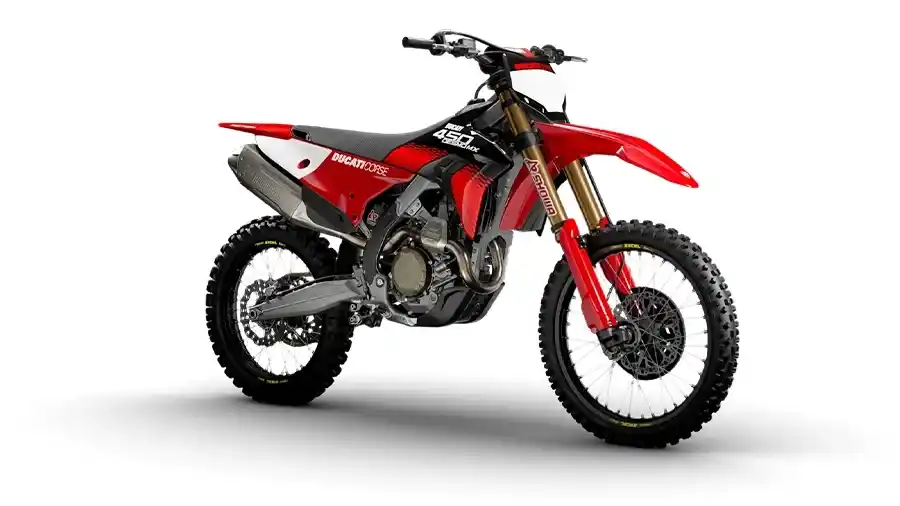
Ducati Desmo450 MX Factory
449.6 CCN/A 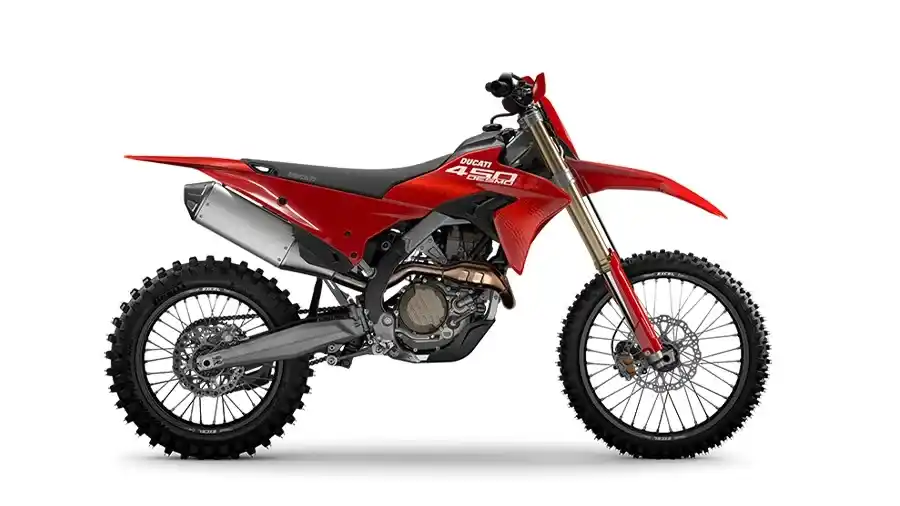
Ducati Desmo450 EDX
449.6 CCN/A 
Kawasaki Z650
649 CC19.02 KMPL
KTM 200 Duke
199.5 CC35 KMPLUpcoming Bike Models
 Launching Soon

Benelli TRK 800
754 CC20 KMPLLaunching Soon
TVS Raider 125 Flex Fuel
124.8 CC55 KMPLLaunching Soon
Norton Atlas
585 CC21 KMPLLaunching Soon
MBP Moto C1002V
997 CC17 KMPLLaunching Soon
Brixton Motorcycles Crossfire 500 Storr
486 35 KMPL


A-23, 3rd floor, A Block, Sector 9,Noida, Uttar Pradesh 201301
 support@thebikejunction.com
 +91-9773363849