

River Indie Ownership Review After 1 Year: Is the 'SUV of Scooters' Actually Worth Buying?
 Published at September 13, 2026By Mayank Puri
 Prefer Us on
Google News

I was always curious to ride an electric scooter that could handle more than just my daily commute. Good storage, comfortable seating, enough range, and the ability to carry extra luggage were high on my list. That is when I started looking at the River Indie electric scooter.
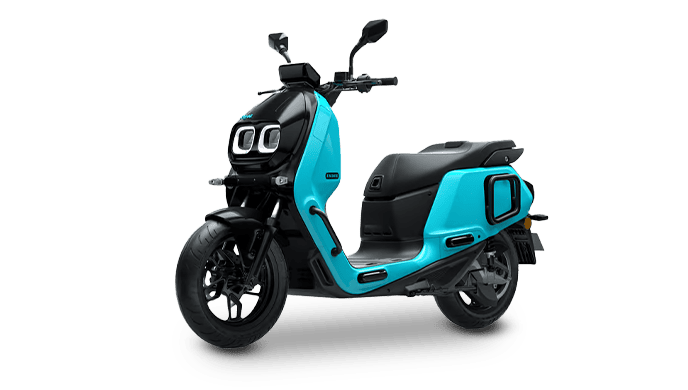
The unique design and utility focused features of the River Indie gave me enough confidence to consider it over other EVs. I checked for a River showroom near me in Delhi and booked this scooter. I was also happy with the River Indie on road price in Delhi, which was Rs. 1,60,414. Its large storage space, 4 kWh battery, and 90 km/h top speed made it feel like a scooter that could handle more than just my daily commute.
After one year of ownership, here is my honest River Indie review:
1. Is the River Indie Comfortable For Daily Riding?

The first thing to notice about this electric two wheeler is its spacious riding position. It has a broad seat, a large floorboard, and additional front foot pegs, so there is enough room to change my foot position during longer rides. The seat height is 787 mm, which is manageable for me.
The best part is the 160 mm ground clearance, which helps me when crossing speed breakers and rough patches. Its long and wide seat is comfortable for two people, although taller riders may find the knees-up seating stance slightly cramped.
2. What is the Real World River Indie Range After One Year?
Before buying an EV, range was one of my biggest concerns. This scooter uses a 4 kWh battery, and its claimed IDC range is 163 km. In everyday riding, I get around 110 km, which has been enough for my daily office travel.
The River Indie scooter offers three riding modes: Eco, Ride, and Rush. I normally stay with Eco or Ride mode when I want to get more distance from a charge. Rush mode feels much quicker and can take the scooter up to its 90 km/h top speed.
Additionally, this electric scooter takes 5 to 6 hours to charge at home. So I usually plug it in overnight.
3. How Does the River Indie Handle Rough Roads?

One of the reasons why it is called “SUV of Scooters” is its 14 inch alloy wheels, 160 mm ground clearance, and sturdy chassis. This River Indie electric scooter uses a telescopic front fork and twin rear shock absorbers. The rear suspension also gets preload adjustment, which is useful when carrying a pillion or extra luggage.
The kerb weight of this premium scooter is 143 kg, but the weight distribution keeps it manageable while riding. Both front & rear brakes provide strong stopping power, while the combined braking system helps distribute braking between both wheels. However, there is no ABS, so I remain more careful on wet roads.
4. Is the River Indie Expensive to Maintain After 1 Year?
Charging the scooter at home costs me roughly Rs. 400 per month, while the same commute on a petrol scooter would have cost around Rs. 2,000. That monthly saving is one of the biggest reasons the electric scooter makes sense for my daily use. There is no engine oil, clutch, or conventional gearbox to maintain. The River Indie SUV scooter has a 4.5 kW continuous power motor with peak output reaching 6.7 kW. Also, its acceleration feels smooth in city traffic, and there are no engine vibrations to deal with.
If you are planning to buy this Electric scooter, I would suggest following the scheduled service routine instead of assuming that an EV needs no maintenance.
5. Does the River Indie have Enough Storage and Useful Features?

Storage is one of its crucial parts. It gets 43 litres of under seat storage, along with a 12 litre front glove box. This helped me to keep my helmet, shopping bags & office bag with no difficulty.
Additionally, the scooter has a large flat floorboard, which is useful when carrying extra luggage. River Indie also comes with bag hooks, a boot light, USB charging, and reverse assist.
However, the technology package is fairly basic. The Indie gets a 6 inch digital colour display for speed, battery level, range, trip information, and riding modes, but there is no bluetooth connectivity or built-in navigation.
Pros & Cons of River Indie Electric Scooter
Pros:
- Excellent storage with 43 litres of under seat space.
- Spacious floorboard and luggage friendly design.
- Large 14 inch wheels provide good stability.
- Strong focus on everyday utility.
Cons:
- 143 kg weight can feel heavy while pushing.
- No bluetooth connectivity or built in navigation.
A new premium EV has arrived! Explore BGauss C12 MaxR: India's Newest Premium Electric Scooter


Previous
Next
Check On Road Price
Top News


River Indie On Road Price in India
More news from River


Best Electric Scooters from River Brand

River Indie
 4.5 KW
 160 Km/charge





A-23, 3rd floor, A Block, Sector 9,Noida, Uttar Pradesh 201301
 support@thebikejunction.com
 +91-9773363849
© 2026 BikeJunction. All Rights Reserved.
