

Petrol Bike vs Electric Bike: 5 Year Ownership Cost Comparison
 Published at September 26, 2026By Saurav Suman
 Prefer Us on
Google News

For buyers in India, the petrol bike vs electric bike debate now includes a major question: which one costs less over the long term? This comparison looks at fuel, electricity, servicing and purchase costs using a simple ownership example.
The calculation assumes you ride 10,000 km every year, or 50,000 km in five years. Petrol prices differ across India, and electricity rates also depend on your state and usage slab. As of September 24, petrol costs Rs. 102.12 per litre in Delhi.
For this comparison, we have used a petrol bike that gives 50 kmpl and an electric bike that uses 2.2 kWh per 100 km. These are assumed figures used only to make the comparison easier.
Petrol Bike vs Electric Bike: Running Cost

Fuel is one of the main costs of owning a petrol bike. A motorcycle giving 50 kmpl would need around 1,000 litres of petrol to cover 50,000 km.
At Rs. 102.12 per litre, the total petrol cost would be around Rs. 1.02 lakh over five years.
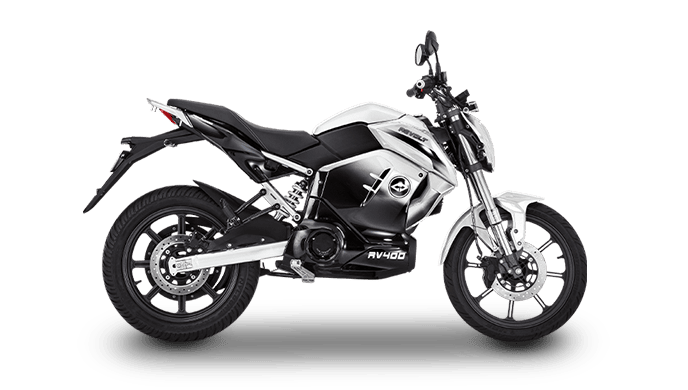
An electric bike needs much less energy to cover the same distance. For example, the Revolt RV400 gets a 3.24 kWh battery and claims a 150 km IDC range.
For this calculation, we have assumed electricity costs Rs. 8 per kWh. At 2.2 kWh per 100 km, charging the bike would cost around Rs. 8,800 for 50,000 km.
So, the difference in running costs can be quite large, especially for riders who cover long distances every year.
| Cost over 5 years | Petrol Bike | Electric Bike |
| Distance | 50,000 km | 50,000 km |
| Energy assumption | 50 kmpl | 2.2 kWh/100 km |
| Energy cost | Rs. 1.02 lakh | Rs. 8,800 |
| Estimated servicing | Rs. 20,000 | Rs. 10,000 |
| Purchase example | Rs. 1 lakh | Rs. 1.40 lakh |
| Approx. total | Rs. 2.42 lakh | Rs. 1.59 lakh |
Figures are illustrative. Insurance, tyres, financing, accessories and battery replacement are excluded.
Where Do Petrol Bikes Still Make Sense?

Petrol motorcycles continue to offer some practical advantages for different types of riders. Models such as the Honda Shine 100 target everyday commuters with simple petrol powered operation.
The Royal Enfield Classic 350 offers a different ownership proposition for riders covering longer trips. Its larger engine also gives buyers a traditional motorcycle experience.
A petrol bike does not depend on a home charging setup. Refueling also takes only a few minutes. This can matter for riders who regularly travel long distances or lack convenient charging access.
However, fuel costs can become significant for riders covering 30 to 40 km every day.
Electric Bikes Can Reduce Daily Expenses

Electric motorcycles have fewer moving powertrain components than conventional petrol motorcycles. They also avoid regular engine oil changes.
The Revolt RV400 currently starts at Rs 1.43 lakh (ex showroom). It offers a claimed 150 km IDC range and an eight year battery warranty.
These figures can make an electric motorcycle attractive for regular city commuting. The savings become more noticeable as annual kilometres increase. The government’s PM E DRIVE scheme also supports eligible electric two wheelers. The scheme currently includes privately owned, registered electric two wheelers.
However, buyers should check the applicable incentive and final on road price before making calculations.
Servicing And Battery Costs

Servicing can also change the five year ownership calculation. Petrol bikes require engine oil, filters and other periodic maintenance.
Electric bikes avoid several engine related service requirements. However, tyres, brakes, suspension components and other consumables still need attention. Battery cost needs separate consideration. Most manufacturers provide a specific battery warranty, but coverage differs between models.
For example, Revolt lists an eight year or 80,000 km battery warranty for the RV400.
Therefore, buyers should not assume that every electric bike will have identical long term costs.
A five year calculation should also exclude battery replacement unless the manufacturer’s warranty does not cover the relevant period.
Key Things To Check Before Buying
- Calculate your annual kilometres before comparing fuel savings.
- Check the petrol price in your city.
- Check your home electricity tariff and charging setup.
- Compare the actual on road price of both motorcycles.
- Check battery warranty coverage on an electric motorcycle.
- Include servicing, tyres and insurance in your personal calculation.
- Consider your usual travel distance and charging access.
- Check whether government incentives apply to the EV you want.
Which Ownership Cost Should Buyers Focus On?

The five year example shows how energy costs can change the ownership equation. A petrol bike can have a lower purchase price, but fuel expenses add up with regular use.
An electric bike may cost more initially but can reduce energy expenses substantially. The final result depends on the purchase price, annual distance and local electricity rates.
For occasional riders, the higher upfront EV cost may take longer to recover. For high mileage city commuters, lower running costs can have a bigger impact.
The right comparison is therefore not just petrol versus electricity. Buyers should calculate the full five year cost using their own kilometres, local fuel price, electricity tariff and maintenance expenses.
That approach gives a clearer picture of what the motorcycle could cost throughout ownership.
Also Read | New Bike Buying Guide: 10 Key Things To Check Before Delivery


Previous
Next
Check On Road Price
Top News


Revolt RV 400 On Road Price in India
More news from Revolt


Best Electric Bikes from Revolt Brand

Revolt RV1
 2.8 KW
 100 Km/charge
Revolt RV 400
3 KW150 Km/charge
Revolt RV BlazeX
4.1 KW150 Km/charge
Revolt RVX
5.3 KW160 Km/chargeLatest Revolt Models
Revolt RVX
5.3 KW160 Km/charge





A-23, 3rd floor, A Block, Sector 9,Noida, Uttar Pradesh 201301
 support@thebikejunction.com
 +91-9773363849
© 2026 BikeJunction. All Rights Reserved.
